Our Range



























What Is WaterMark Certification? Everything You Need to Know
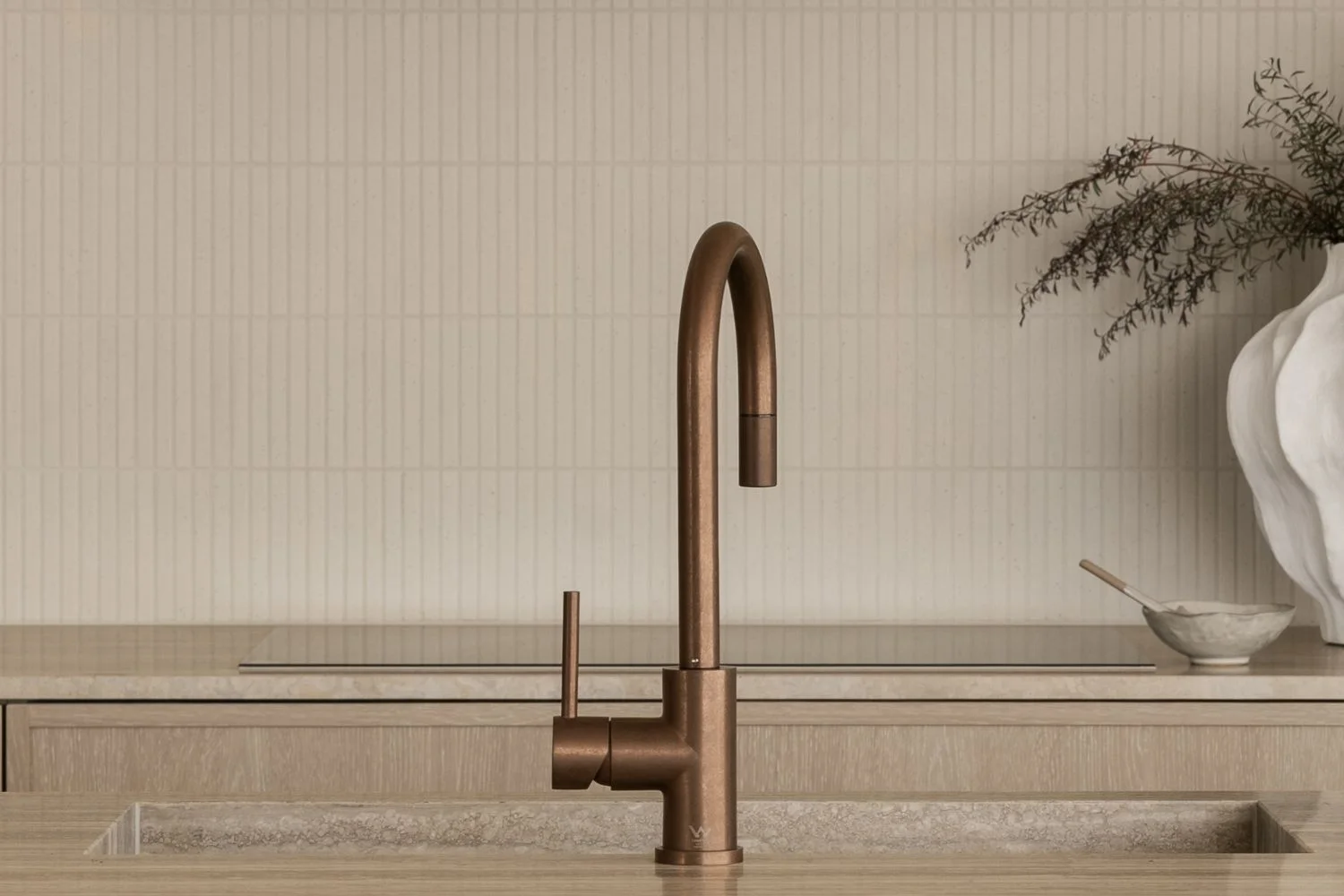
Maybe you've noticed a small "W" stamped on a tap, mixer, or valve without giving it much thought. While subtle, it signifies WaterMark certification, Australia's mandatory certification scheme for specified plumbing and drainage products, which, since 2025, is also recognised in New Zealand as a pathway to Building Code compliance. That recognition can be the difference between a straightforward building consent and extra paperwork, making it worth understanding when selecting tapware for your next bathroom, kitchen, or laundry project.
Administered by the Australian Building Codes Board (ABCB), WaterMark certification is Australia's own scheme, but under the Building (Overseas Building Products, Standards and Certification Schemes) Amendment Act 2025, New Zealand's Ministry of Business, Innovation and Employment (MBIE) now recognises WaterMark-certified products as "deemed to comply" with the New Zealand Building Code, meaning Building Consent Authorities must accept them without further proof when they are used within the conditions and limitations of their recognition, provided the required technical information is supplied.
In simple terms, WaterMark certification confirms that a product has been independently assessed and tested against the relevant Australian or joint Australian/New Zealand Standard. It verifies that the product is safe, durable, and fit for purpose. Now that it's a recognised compliance pathway, it also gives Kiwi homeowners, builders, and designers a smoother route through building consent.
Is WaterMark certification mandatory?
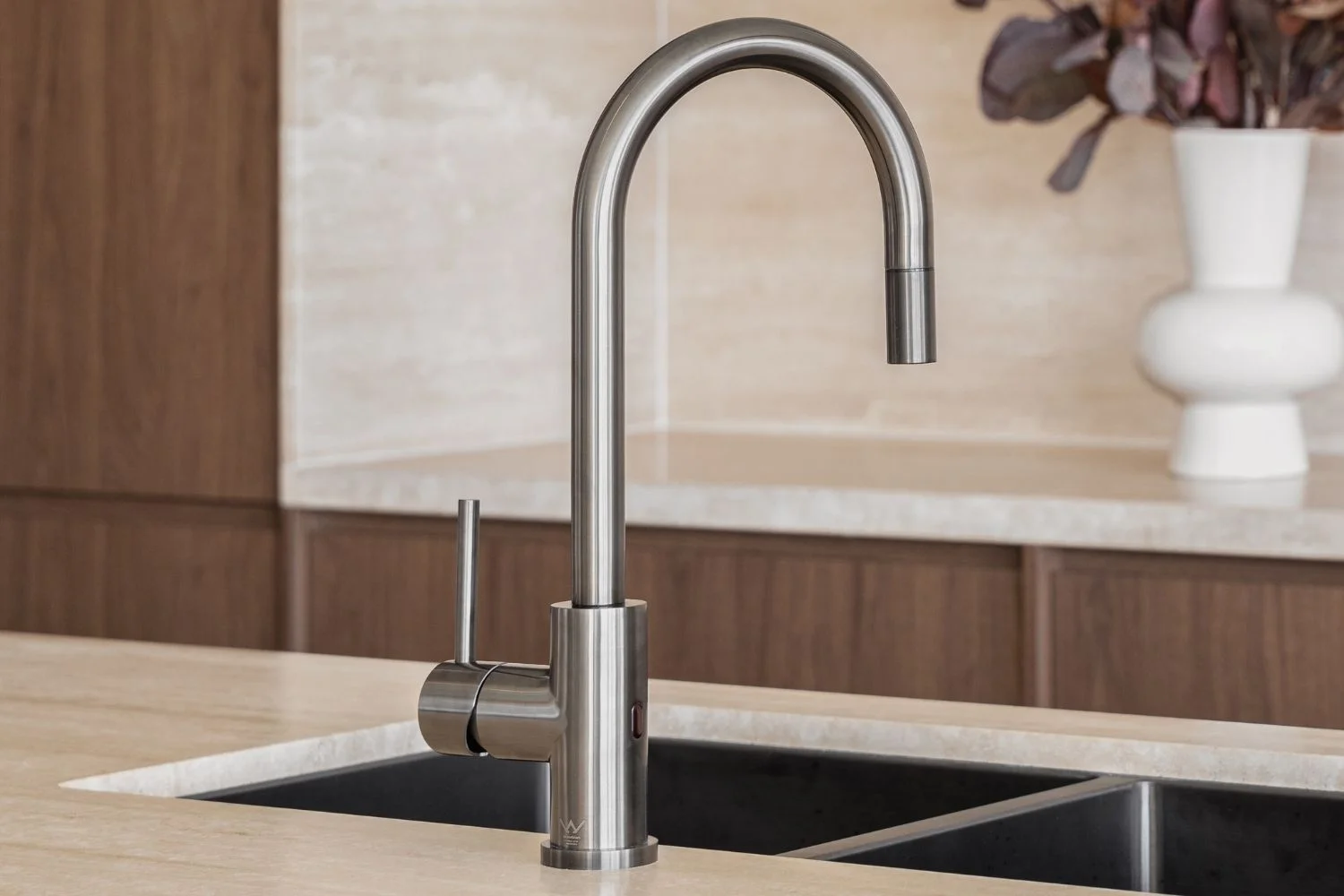
The products MBIE has recognised follow WaterMark's own Schedule of Products, a defined range of plumbing and drainage products considered critical to health, safety, and water conservation, such as tapware, mixers, valves, water heaters, sanitary fixtures, drainage products, and any components that come into contact with the drinking water supply.
For homeowners and builders, the distinction is important: WaterMark recognition isn't a legal requirement to install a product in New Zealand, and there's no equivalent rule to Australia's. What it does is let a recognised product be accepted by Building Consent Authorities as complying with the Building Code, without having to separately prove it. Choosing a product that falls outside the recognised categories doesn't prevent you from installing it, but it may mean your builder or designer needs to demonstrate Building Code compliance another way, which can add time and cost to a consent application.
How is a product certified?
WaterMark certification is not self-assessed. Products are independently evaluated by WaterMark Conformity Assessment Bodies (WMCABs), which are accredited by the Joint Accreditation System of Australia and New Zealand (JAS-ANZ), the same body that accredits certifiers across both countries. These independent bodies assess products against approved specifications and, if they meet the required standards, certify them for inclusion on the WaterMark Product Database.
It's this existing certificate, not a separate New Zealand assessment, that MBIE checks against when deciding whether to bring a product category into the recognition pathway. Certification is also an ongoing process rather than a one-time approval: WaterMark certificates are valid for five years and are subject to annual surveillance and monitoring, so a recognised product has to keep meeting the standard for its recognition to remain current, not just pass once.
What products need WaterMark certification?
MBIE's WaterMark recognition follows the same underlying WaterMark Schedule of Products, and covers a broad range of plumbing and drainage products, including:
- Tapware, mixers, and mixing valves
- Water heaters and hot water systems
- Toilet suites, cisterns, and related sanitary fixtures
- Backflow prevention devices
- Flexible hose assemblies
- Drainage products, including pipes, fittings, and grated drains
Not every category on the schedule has necessarily been brought into New Zealand's recognition pathway yet. MBIE has worked through this in tranches, starting with the categories recognised from October 2025 and expanding from there. If you're specifying a less common or specialised product, it's worth checking MBIE's current recognition notices to confirm the category is covered, rather than assuming recognition extends to everything WaterMark certifies.
How to check if a product is certified
Look for the distinctive "W" mark, which may appear in red, black, or white, or be etched directly into the product. However, the mark alone shouldn't be your only point of reference, particularly when purchasing products online or from overseas suppliers.
The most reliable way to verify the underlying certification is through the ABCB's WaterMark Product Database, which lets you search by product, certificate number, or licence holder to confirm a product's WaterMark certification is genuine and current. From there, it's worth taking one further step specific to New Zealand: checking MBIE's published recognition notices to confirm that the product's category has actually been brought into the recognition pathway, since holding valid WaterMark certification and being recognised for New Zealand building consent purposes aren't automatically the same thing.
Why it matters for homeowners

Beyond the building consent benefits, the WaterMark certification behind a recognised product provides confidence in the aspects of a plumbing product that aren't immediately visible. It helps safeguard the quality of your drinking water, the integrity of your plumbing system, and the long-term performance of the products installed throughout your home. Certified products have been independently tested for criteria such as water quality, pressure performance, and material safety, offering assurance well beyond a simple compliance tick.
Choosing recognised products can also have implications well beyond the completion of a renovation. Fittings that fall outside the recognised pathway aren't necessarily unsafe, but they can mean extra documentation for your builder or designer to prove Building Code compliance another way. Further down the track, that gap can resurface during a future renovation, resale, or compliance check on the property.
Lead Free WaterMark: what's changed
One of the most significant recent updates to the WaterMark certification scheme is the introduction of the Lead Free WaterMark requirement, limiting the amount of lead permitted in copper alloy plumbing products that come into contact with drinking water.
New Zealand has adopted a closely aligned requirement. For building consent applications submitted from 2 May 2026, any copper alloy product in contact with drinking water — pipe fittings, valves, taps, mixers, water heaters, water meters, pumps, water filtration and cold-water fire sprinkler systems, among others (showers and baths are excluded) — must contain no more than 0.25% lead, verified against NSF/ANSI/CAN 372, and copper alloy components under hydrostatic pressure must also be dezincification-resistant, verified against AS 2345. The change follows an amendment to Building Code Clause G12/AS1, so existing plumbing doesn't need to be replaced; it applies from the point a new consent is lodged.
Products already holding Lead Free WaterMark certification are well placed to meet this New Zealand requirement, since both schemes are targeting the same lead-content limit, but it's worth confirming with your supplier that a specific product's certification has been verified against the NSF/ANSI/CAN 372 and AS 2345 standards New Zealand relies on, rather than assuming Australian certification automatically satisfies it. If you're planning a renovation, it's worth asking your supplier whether the products you're specifying meet this requirement.
WaterMark vs WELS
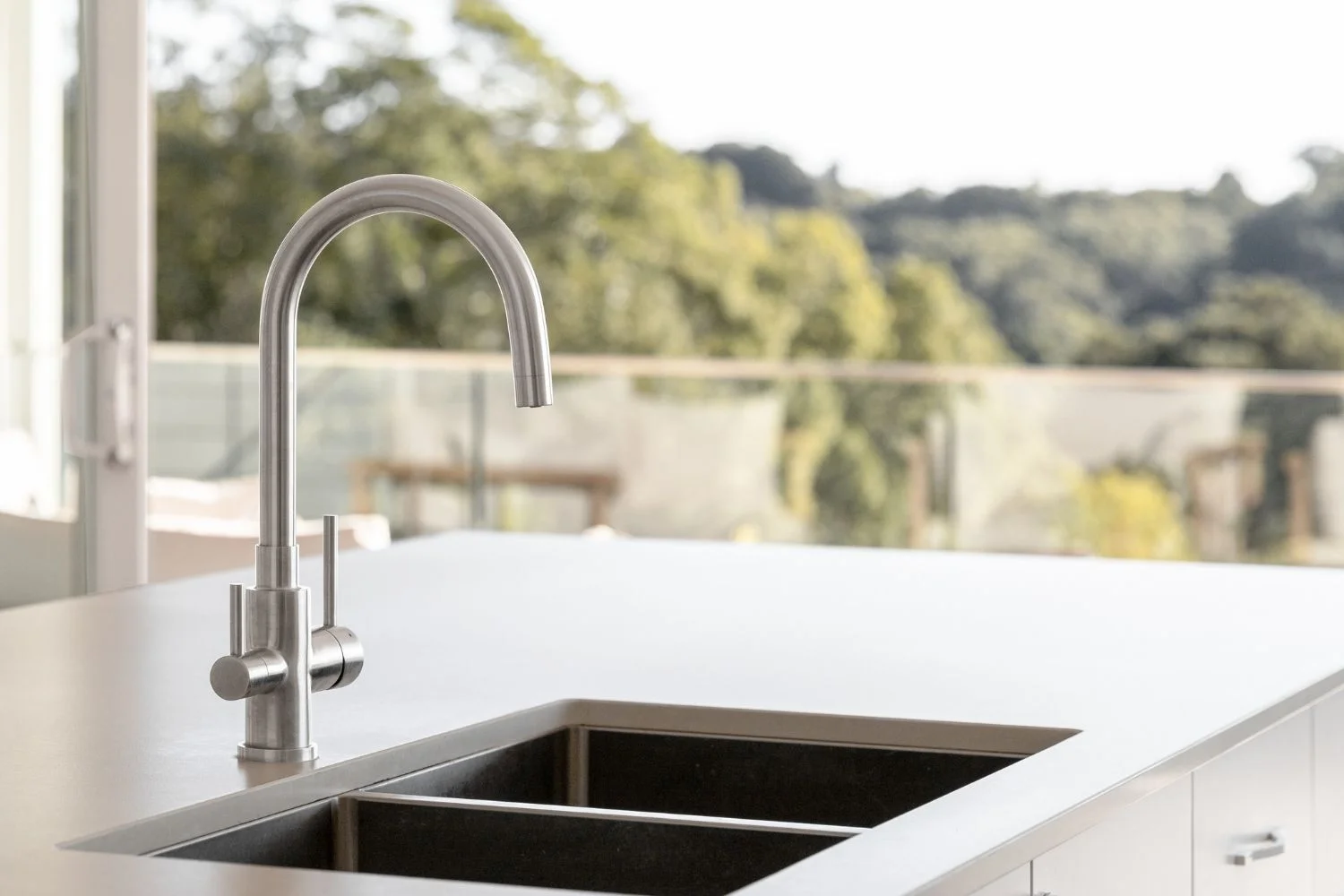
WaterMark and WELS (Water Efficiency Labelling and Standards) are often confused, but they serve two distinct purposes, and it's worth noting they're both Australian schemes, even though WaterMark now has a recognised role in New Zealand. WaterMark certification verifies that a plumbing product is safe, fit for purpose, and compliant with the relevant Australian/New Zealand standard. WELS, by contrast, measures a product's water efficiency, indicating how much water it uses through a star rating and water consumption label, and remains an Australian-administered scheme, so a product carrying a WELS rating is signalling its Australian efficiency rating rather than any New Zealand-specific standard.
WaterMark, and its New Zealand recognition pathway, is about safety, compliance, and Building Code consent. WELS is about water conservation and efficiency, a separate consideration when you're comparing products, not a substitute for confirming recognition status.
WaterMark and ABI
At ABI Interiors, compliance is considered from the outset. Every applicable product in our range is selected to meet the regulatory requirements of the markets we supply, giving homeowners, designers, and trade professionals confidence when specifying tapware and plumbing fittings.
If you're selecting products for an upcoming New Zealand project, our team can provide guidance on the WaterMark certification and recognition status of any applicable product in our collection, helping you make informed, compliant choices from the beginning.
FAQs
Is WaterMark certification a legal requirement in New Zealand?
Unlike Australia, where WaterMark certification is a strict, standalone legal requirement, New Zealand doesn't mandate the scheme directly. Since 2025, MBIE has recognised WaterMark-certified products as deemed to comply with the New Zealand Building Code, a compliance pathway for consent purposes, not a legal requirement to install a certified product.
What happens if I install a product that isn't recognised?
You can still legally install it. What you may not get is the automatic Building Code compliance recognition. Your builder or designer may need to demonstrate compliance another way, which can add time and paperwork to a consent application.
Where do I find the WaterMark ("W") mark?
On the product itself, either stamped, printed, or etched into the surface. You can verify the underlying certification through the ABCB's WaterMark Product Database, and confirm New Zealand recognition status through MBIE's published recognition notices.
Is WaterMark the same as WELS?
No. WaterMark confirms a product is safe, compliant, and fit for purpose, while WELS measures water efficiency. They're separate schemes, and a product must hold valid WaterMark certification before it can be registered for a WELS rating.
What is a WaterMark certificate, exactly?
A WaterMark certificate is the formal approval issued by an accredited Conformity Assessment Body, confirming that a specific product has been tested and certified against the relevant standard. Certificate details, including the certified product and licence holder, are recorded on the WaterMark Product Database, the same record MBIE draws on when recognising products for New Zealand.
Looking for more information on our products? Read these related blogs:
What is PVD Coating, and Why Does It Matter?
How ABI Interiors is Redefining Sustainable Tapware in Australia